
What Does HbA1c Tell You About Diabetes?
Aug 13, 2026
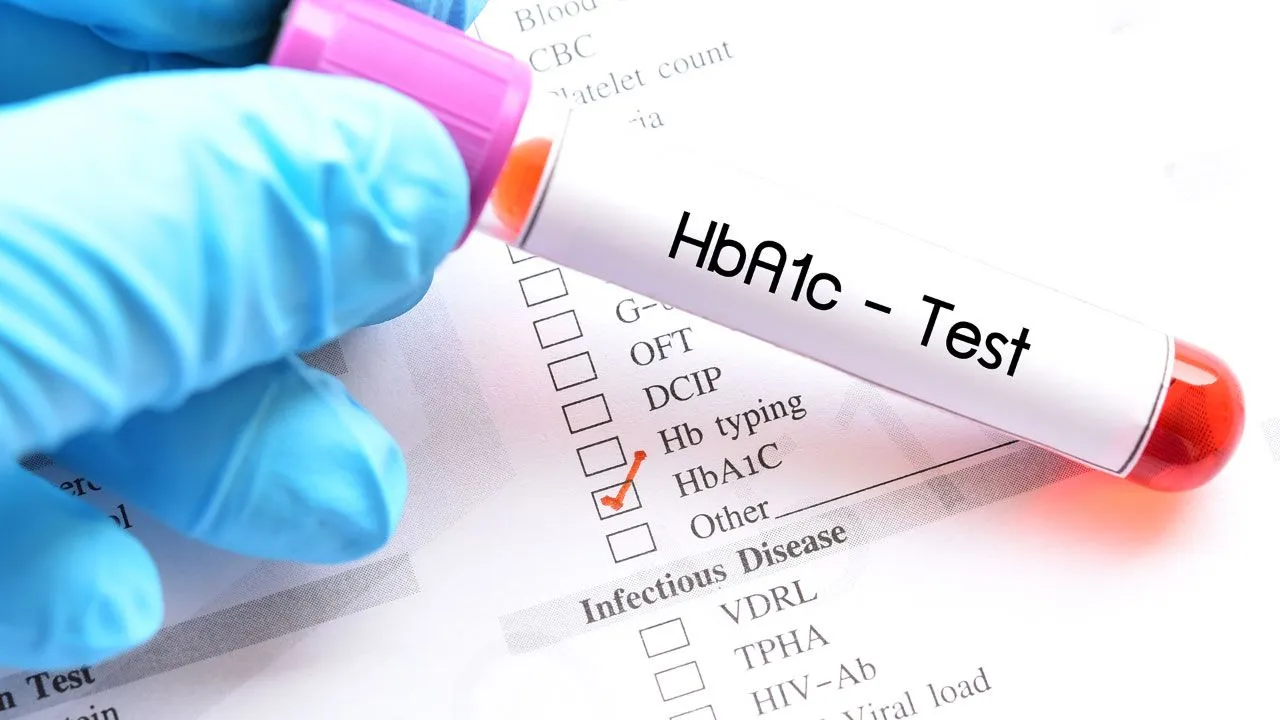
Managing diabetes involves more than checking your blood sugar once in a while. Blood glucose levels can change throughout the day depending on meals, physical activity, stress, illness, and medications. This is where the HbA1c test becomes useful.
HbA1c provides an estimate of your average blood sugar levels over the past two to three months. It helps doctors understand how well your diabetes has been controlled over time rather than relying only on individual glucose readings.
At Harsh Hospital, regular diabetes monitoring can help identify whether your current management plan is working or whether adjustments may be needed.
What Is HbA1c?
HbA1c, also called glycated hemoglobin, is a blood test that measures the amount of glucose attached to hemoglobin in your red blood cells.
Because red blood cells generally live for about three months, the HbA1c result gives an indication of your average blood sugar during that period.
Unlike a routine blood glucose test, which shows your blood sugar at one particular moment, HbA1c provides a broader picture of your blood sugar control.
What Does Your HbA1c Result Tell You?
Your HbA1c level can help indicate whether your blood sugar has generally been within your recommended range.
In general:
- An HbA1c below 5.7% is considered in the normal range.
- An HbA1c between 5.7% and 6.4% falls in the prediabetes range.
- An HbA1c of 6.5% or higher can indicate diabetes when confirmed appropriately.
For people already diagnosed with diabetes, the individual HbA1c goal may vary depending on age, overall health, medications, duration of diabetes, and risk of complications.
Why Is HbA1c Important For People With Diabetes?
HbA1c helps healthcare professionals assess long-term blood sugar control.
If your HbA1c remains higher than your recommended target, it may indicate that your blood sugar has been elevated over time. Your doctor may then review your diet, physical activity, medications, and other factors affecting glucose levels.
A lower result may indicate improved blood sugar control, but the ideal target is not necessarily the lowest possible number for everyone.
Can HbA1c Replace Daily Blood Sugar Testing?
No. HbA1c and daily blood glucose monitoring provide different types of information.
A glucose reading shows what your blood sugar is at a particular moment. HbA1c gives a longer-term picture.
People using insulin or certain diabetes medications may still need regular blood glucose monitoring to identify episodes of low or high blood sugar and make day-to-day treatment decisions.
What Can Affect HbA1c Results?
Although HbA1c is a useful test, certain conditions can affect its accuracy.
Factors that may influence the result include:
- Certain types of anemia
- Recent blood loss
- Blood transfusions
- Some blood disorders
- Kidney or liver problems
- Pregnancy in certain circumstances
Your doctor considers your overall health and other test results when interpreting HbA1c.
What If Your HbA1c Is Higher Than Your Target?
A higher HbA1c does not mean you have failed at managing diabetes. Blood sugar can be affected by many factors, including stress, illness, changes in weight, diet, physical activity, sleep, and medication adherence.
If your HbA1c is above your target, your healthcare professional can help identify possible reasons and determine whether changes to your diabetes management plan are appropriate.
Avoid changing or stopping diabetes medication without medical advice.
Can HbA1c Improve?
Yes. HbA1c can improve when blood sugar levels are better managed consistently over time.
Depending on your individual treatment plan, helpful measures may include:
- Following a balanced eating pattern
- Staying physically active
- Taking prescribed medication as directed
- Maintaining a healthy weight when appropriate
- Getting adequate sleep
- Managing stress
- Monitoring blood glucose as advised
Because HbA1c reflects several weeks of blood sugar levels, changes may take time to appear in the result.
How Often Should HbA1c Be Checked?
The frequency depends on your individual situation.
People whose diabetes is stable and treatment goals are being met may have HbA1c checked less frequently, while those whose treatment has changed or whose blood sugar is not within the desired range may need testing more often.
Your doctor can recommend an appropriate testing schedule based on your diabetes management plan.
HbA1c Is More Than Just A Number
It can be tempting to focus only on whether your HbA1c has gone up or down. However, the result should be considered alongside your daily glucose readings, symptoms, medications, lifestyle, and overall health.
Two people with the same HbA1c may have very different patterns of blood sugar throughout the day. This is why personalized diabetes care is important.
Conclusion
HbA1c is an important tool for understanding long-term blood sugar control. It provides an estimate of your average glucose levels over the previous two to three months and can help your doctor assess whether your diabetes management plan is working effectively.
However, HbA1c is only one part of diabetes care. Regular monitoring, healthy lifestyle habits, appropriate medication, and routine medical follow-up all contribute to better diabetes management.
If you have diabetes, prediabetes, or concerns about your blood sugar levels, consult your healthcare professional at Harsh Hospital to understand your results and determine the right approach for your health.
Have questions about your HbA1c or diabetes control? Consult the healthcare team at Harsh Hospital for appropriate testing, interpretation, and personalized diabetes management.
Frequently Asked Questions
Q: What does an HbA1c test measure?
A: HbA1c measures the percentage of hemoglobin with glucose attached to it and reflects your average blood sugar over approximately the previous two to three months.
Q: What is a normal HbA1c level?
A: An HbA1c below 5.7% is generally considered normal. Results between 5.7% and 6.4% are generally in the prediabetes range.
Q: What HbA1c level indicates diabetes?
A: An HbA1c of 6.5% or higher can indicate diabetes, but the diagnosis should be confirmed appropriately by a healthcare professional.
Q: Can HbA1c tell me my exact blood sugar level?
A: No. HbA1c provides an estimate of average blood sugar over several months and does not show individual highs and lows throughout the day.
Q: Can HbA1c improve with diabetes management?
A: Yes. Consistent blood sugar management through appropriate diet, physical activity, prescribed treatment, and regular monitoring can help improve HbA1c over time.


Hours
24*7 Open Hospital
Dr. Ravindra P Chhajed
12:00 to 3:00 PM
06:00 to 09:00 PM
Dr. Lalit Banswal timings
10:00 AM to 12:00 PM
05:00 to 07:00 PM
(Tuesday off)
We treat, God heals
Committed to Excellence, Committed to You.


OVERVIEW
SPECIALITIES
SUPPORT
© 2025 Harsh Hospital. All rights reserved | Website Design by Remedo