Types Of Cancers Treated With Minimally Invasive Surgery
May 24, 2026
Cancer treatment has changed significantly over the years, and one of the biggest advances in modern oncology care has been the development of minimally invasive surgery. These surgical techniques allow doctors to treat certain cancers using much smaller incisions compared to traditional open surgery.
For many patients, this can mean less pain after surgery, quicker recovery, shorter hospital stays, and a faster return to daily life.
At Harsh Hospital, minimally invasive cancer surgery is helping patients receive advanced treatment with a stronger focus on comfort, recovery, and overall well-being.
What Is Minimally Invasive Cancer Surgery?
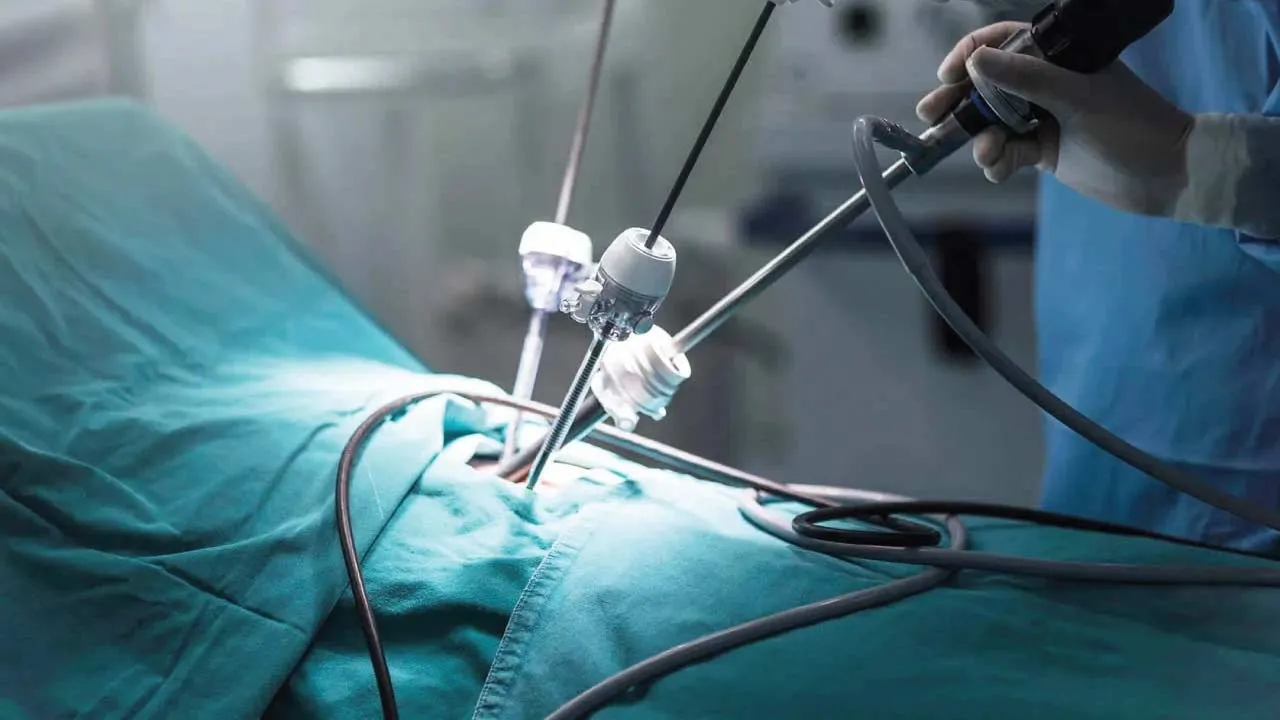
Minimally invasive cancer surgery uses specialized instruments and camera-guided technology to perform operations through small incisions rather than large surgical openings.
Surgeons commonly use laparoscopic or thoracoscopic techniques to access and remove cancerous tissue with precision while reducing trauma to surrounding healthy structures.
These procedures often involve:
- Small surgical incisions
- High-definition camera guidance
- Specialized surgical instruments
- Reduced tissue damage
- Faster healing and recovery
In some cases, robotic-assisted surgical systems may also be used to improve precision and control during complex procedures.
Benefits Of Minimally Invasive Cancer Surgery
Compared to traditional open surgery, minimally invasive approaches may offer several advantages for selected patients.
Possible benefits include:
- Smaller scars
- Reduced blood loss
- Less post-operative discomfort
- Lower risk of infection
- Shorter hospital stays
- Faster recovery time
- Earlier return to normal activities
At Harsh Hospital, the goal is to combine advanced surgical care with patient-centered treatment that supports both physical and emotional recovery.
Types Of Cancers Commonly Treated With Minimally Invasive Surgery
Several types of cancers may be treated using minimally invasive techniques depending on the stage, size, and location of the tumor.
Colorectal Cancer
Minimally invasive surgery is commonly used for colon and rectal cancers. Laparoscopic colorectal procedures allow surgeons to remove cancerous sections of the intestine while preserving as much healthy tissue as possible.
Patients may experience:
- Faster bowel recovery
- Less pain after surgery
- Reduced hospital stay
- Earlier return to eating and daily activity
- Stomach Cancer
Some patients with stomach cancer may benefit from laparoscopic gastric surgery, particularly in earlier stages of disease.
This approach may help reduce surgical trauma while still allowing effective cancer treatment.
Esophageal Cancer
Certain esophageal cancer surgeries can be performed using thoracoscopic and laparoscopic methods, reducing the need for larger chest or abdominal incisions.
These approaches may support smoother recovery after surgery.
Lung Cancer
Thoracoscopic surgery, also called Video-Assisted Thoracoscopic Surgery or VATS, is often used in selected patients with early-stage lung cancer.
This technique may help remove tumors using:
- Smaller chest incisions
- Less post-operative pain
- Faster breathing recovery
- Reduced recovery time
- Liver Cancer
Some liver tumors may be treated with laparoscopic liver surgery depending on the size and location of the cancer.
Careful patient selection is important for safe surgical outcomes.
Pancreatic Cancer
In selected situations, minimally invasive surgery may also be considered for pancreatic tumors by experienced cancer surgeons trained in advanced surgical techniques.
Gynecologic Cancers
Certain gynecologic cancers may be treated using minimally invasive surgery, including:
- Uterine cancer
- Cervical cancer
- Selected ovarian cancer cases
Advanced laparoscopic techniques may help reduce recovery time and improve post-surgical comfort for many women.
Kidney Cancer
Laparoscopic kidney surgery is commonly used for selected kidney tumors. In some cases, surgeons may be able to preserve healthy kidney tissue whenever possible.
Prostate Cancer
Robotic-assisted minimally invasive surgery is widely used for prostate cancer treatment because it allows greater surgical precision and may support smoother recovery.
Who May Be Suitable For Minimally Invasive Cancer Surgery?
Not every patient is automatically a candidate for minimally invasive surgery.
Suitability often depends on several factors, including:
- Type of cancer
- Tumor size
- Cancer stage
- Tumor location
- Overall health condition
- Previous surgeries or medical history
At Harsh Hospital, each patient undergoes detailed evaluation before deciding on the safest and most effective surgical approach.
Why Early Cancer Detection Matters
Many minimally invasive procedures work best when cancer is detected early.
Early diagnosis may help:
- Improve treatment success
- Expand surgical treatment options
- Reduce complications
- Improve long-term outcomes
Routine screenings and timely medical evaluation play an important role in identifying cancers before they progress further.
How Minimally Invasive Surgery Helps Recovery
Cancer treatment can be physically and emotionally demanding. Minimally invasive surgery may help reduce some of that burden by allowing patients to recover more comfortably.
Many patients may experience:
- Less physical strain after surgery
- Earlier mobility
- Faster return to daily routines
- Reduced time in the hospital
Quicker recovery may also help patients continue additional treatments such as chemotherapy or radiation therapy when needed.
Is Minimally Invasive Surgery As Effective As Open Surgery?
For many cancers, minimally invasive surgery may provide outcomes comparable to traditional open surgery when performed in appropriately selected patients.
The main goals remain the same:
- Complete cancer removal
- Safe surgical margins
- Effective long-term cancer management
The choice of surgical technique depends on what is safest and most beneficial for the patient’s specific condition.
Role Of Technology In Modern Cancer Surgery
Advances in medical technology have greatly improved surgical precision in cancer treatment.
Modern tools may include:
- High-definition imaging systems
- Robotic-assisted surgical platforms
- Advanced laparoscopic instruments
- Precision energy devices
These technologies help surgeons operate more accurately while minimizing unnecessary damage to surrounding healthy tissue.
Emotional Benefits For Patients
The idea of cancer surgery can feel overwhelming for many patients. Smaller incisions and quicker recovery often help reduce some of the anxiety associated with major surgery.
Patients may feel more reassured knowing they could experience:
- Less pain after surgery
- Faster mobility
- Quicker recovery
- Smaller scars and better cosmetic outcomes
At Harsh Hospital, cancer care also includes emotional and psychological support throughout the treatment journey.
When Should You Consult A Cancer Specialist?
You should seek medical evaluation if you experience symptoms such as:
- Unexplained weight loss
- Persistent pain
- Difficulty swallowing
- Blood in stool or urine
- Chronic cough
- Abnormal bleeding
- Ongoing digestive symptoms
Early consultation may improve diagnosis, treatment planning, and long-term outcomes.
Advancing Cancer Care Through Minimally Invasive Surgery
Minimally invasive surgery is changing the way many cancers are treated by offering safer, more precise, and patient-friendly surgical options for selected cases.
With smaller incisions, reduced pain, and faster recovery, these techniques are helping many patients move through cancer treatment with greater comfort and confidence.
At Harsh Hospital, patients receive personalized cancer care focused on advanced surgical expertise, compassionate support, and long-term wellness.
Frequently Asked Questions
Q: What is minimally invasive cancer surgery?
A: It is a surgical approach that uses small incisions and specialized instruments to remove cancerous tissue with less trauma to the body.
Q: Which cancers can be treated with minimally invasive surgery?
A: Certain colorectal, lung, stomach, gynecologic, kidney, prostate, and liver cancers may be treated using minimally invasive techniques.
Q: Is recovery faster after minimally invasive surgery?
A: Many patients experience shorter hospital stays, less pain, and quicker recovery compared to traditional open surgery.
Q: Is minimally invasive cancer surgery safe?
A: When performed in suitable patients by experienced surgeons, minimally invasive surgery is considered a safe and effective treatment option.
Q: Does minimally invasive surgery leave smaller scars?
A: Yes. These procedures use smaller incisions, which usually result in less visible scarring.
Q: Can early cancer detection improve surgical options?
A: Yes. Early diagnosis may allow more patients to qualify for minimally invasive treatment approaches.


Hours
24*7 Open Hospital
Dr. Ravindra P Chhajed
12:00 to 3:00 PM
06:00 to 09:00 PM
Dr. Lalit Banswal timings
10:00 AM to 12:00 PM
05:00 to 07:00 PM
(Tuesday off)
We treat, God heals
Committed to Excellence, Committed to You.


OVERVIEW
SPECIALITIES
SUPPORT
© 2025 Harsh Hospital. All rights reserved | Website Design by Remedo