
Nerve Damage And Foot Care In Diabetes
Mar 27, 2026
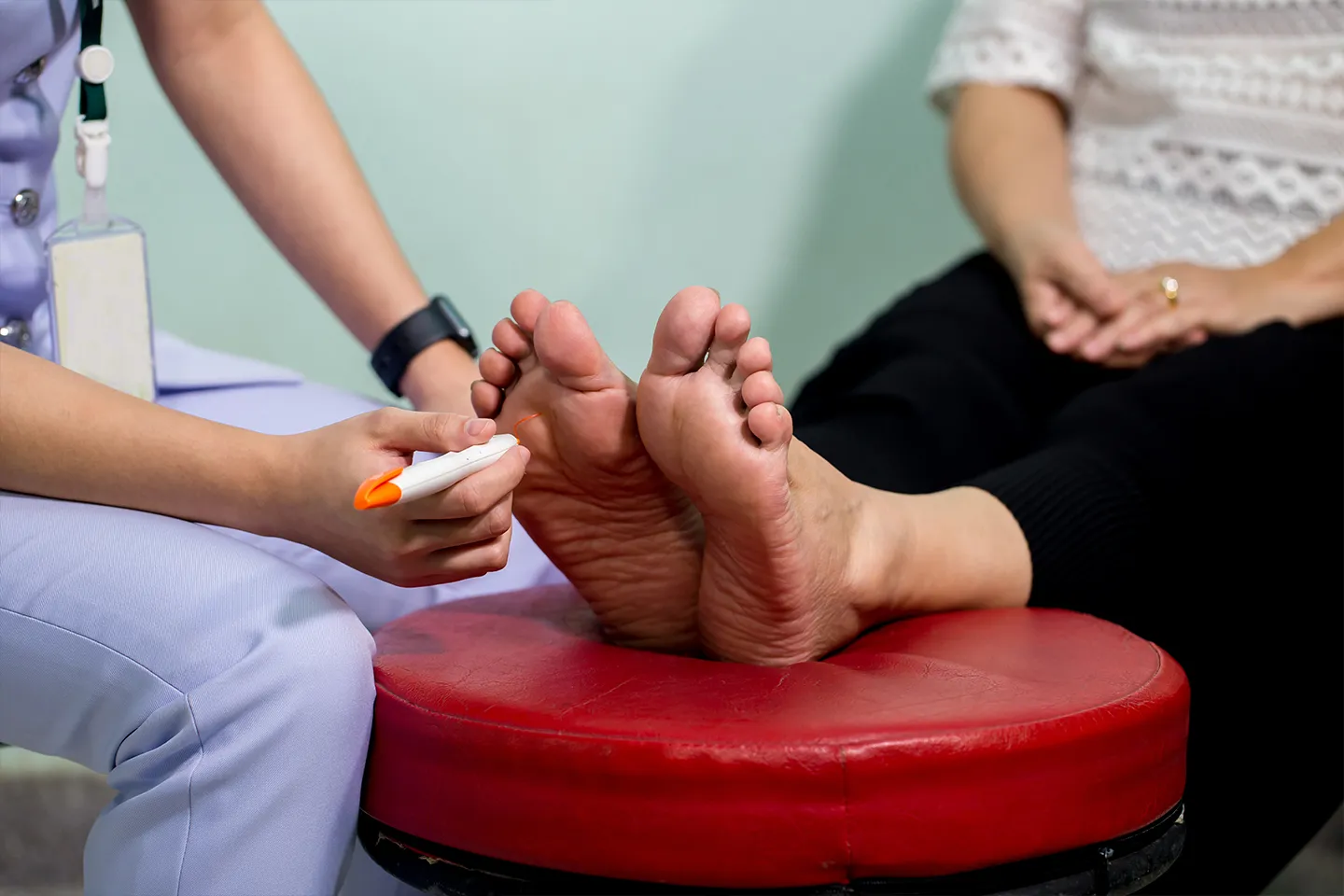
Diabetes is a chronic condition that affects many parts of the body, including the nerves. One of the most common complications of long-term diabetes is nerve damage, also known as diabetic neuropathy. This condition often affects the feet and can lead to serious problems if not managed properly.
Nerve damage may cause loss of sensation, pain, or weakness in the feet, making it difficult for patients to notice injuries or infections. Without proper care, small cuts or blisters can turn into serious complications.
At Harsh Hospital, early diagnosis and proper diabetic foot care are emphasized to help patients prevent complications and maintain healthy mobility. Understanding the symptoms and taking preventive measures can make a significant difference in protecting foot health.
What Is Diabetic Nerve Damage?
Diabetic nerve damage, or diabetic neuropathy, occurs when high blood sugar levels damage the nerves over time. The nerves in the feet and legs are often affected first because they are the longest nerves in the body.
When these nerves are damaged, they may stop sending proper signals to the brain. This can cause numbness, tingling, burning sensations, or loss of feeling in the feet.
Because sensation is reduced, patients may not notice injuries such as cuts, blisters, or ulcers, which can lead to infections if untreated.
Why Diabetes Affects The Feet
The feet are particularly vulnerable in people with diabetes due to two major factors: nerve damage and poor blood circulation.
High blood sugar can damage nerves, reducing sensation in the feet. At the same time, diabetes may affect blood vessels, limiting blood flow to the lower limbs. Reduced circulation slows down wound healing and increases the risk of infection.
These combined effects make foot care extremely important for people living with diabetes.
Common Symptoms Of Diabetic Nerve Damage
Symptoms of nerve damage can develop gradually and may worsen over time if blood sugar levels are not controlled.
Common symptoms include:
- Numbness or reduced ability to feel pain or temperature
- Tingling or burning sensation in the feet
- Sharp or stabbing pain
- Sensitivity to touch
- Muscle weakness in the feet or legs
- Loss of balance or coordination
- Foot ulcers or sores that heal slowly
Some patients may not notice symptoms until complications appear, which is why regular foot examinations are important.
Complications Of Untreated Diabetic Neuropathy
If nerve damage and foot injuries are not managed properly, serious complications can occur.
Possible complications include:
- Foot ulcers
- Skin infections
- Bone infections
- Changes in foot shape
- Gangrene in severe cases
- Increased risk of amputation
These complications can often be prevented with early treatment and proper foot care.
Importance Of Regular Foot Care In Diabetes
Daily foot care plays a major role in preventing complications. People with diabetes should develop a routine to monitor and protect their feet.
Important foot care practices include:
- Inspecting the feet daily for cuts, blisters, redness, or swelling
- Washing feet with mild soap and warm water
- Drying the feet carefully, especially between the toes
- Moisturizing dry skin to prevent cracks
- Keeping toenails trimmed properly
- Avoiding walking barefoot
- Wearing comfortable, well-fitting shoes
These simple habits can greatly reduce the risk of infections and injuries.
Medical Management Of Diabetic Nerve Damage
Managing diabetic neuropathy requires a combination of blood sugar control and medical treatment.
Blood Sugar Control
Maintaining healthy blood glucose levels is the most important step in preventing further nerve damage. Doctors may recommend:
- Regular blood sugar monitoring
- Dietary modifications
- Physical activity
- Diabetes medications or insulin therapy
Good diabetes control slows the progression of nerve damage.
Medications For Nerve Pain
Some patients may experience nerve pain or burning sensations. Doctors may prescribe medications that help manage nerve-related pain and improve comfort.
These medications are used under medical supervision to reduce symptoms and improve quality of life.
Foot Care Treatment
If foot ulcers or infections develop, early treatment is essential. Medical care may include:
- Wound cleaning and dressing
- Antibiotic treatment for infections
- Pressure-relieving footwear
- Regular monitoring of foot health
Specialized diabetic foot care can prevent complications from becoming severe.
Tips To Protect Your Feet If You Have Diabetes
People with diabetes should take extra precautions to protect their feet and prevent injuries.
Helpful tips include:
- Check your feet every day
- Wear protective footwear at all times
- Avoid tight or poorly fitting shoes
- Keep blood sugar levels under control
- Visit a doctor regularly for foot examination
- Seek medical care immediately if you notice a wound or infection
Prevention and early intervention are the keys to avoiding serious complications.
When Should You See A Doctor?
You should seek medical attention if you notice:
- Persistent numbness or tingling in the feet
- Burning or sharp pain in the legs or feet
- Cuts or wounds that do not heal
- Redness, swelling, or warmth in the foot
- Changes in skin color or foot shape
Prompt medical care helps prevent complications and ensures better long-term foot health.
FAQs
Q: What is diabetic neuropathy?
A: Diabetic neuropathy is nerve damage caused by long-term high blood sugar levels. It commonly affects the feet and legs.
Q: What are the early signs of nerve damage in diabetes?
A: Early symptoms include tingling, numbness, burning sensation, or reduced ability to feel pain in the feet.
Q: Why is foot care important for people with diabetes?
A: Reduced sensation in the feet may prevent patients from noticing injuries. Proper foot care helps detect problems early and prevents infections.
Q: Can diabetic nerve damage be reversed?
A: In many cases nerve damage cannot be completely reversed, but proper blood sugar control and treatment can slow its progression and reduce symptoms.
Q: How often should people with diabetes check their feet?
A: People with diabetes should check their feet daily and have a professional foot examination at least once a year.
Protect Your Foot Health With Expert Diabetes Care
Nerve damage in diabetes can lead to serious complications if ignored. With proper medical care, regular monitoring, and good foot hygiene, many problems can be prevented.
If you have diabetes and are experiencing numbness, pain, or foot problems, consult the specialists at Harsh Hospital for comprehensive diabetes management and expert foot care guidance.


Hours
24*7 Open Hospital
Dr. Ravindra P Chhajed
12:00 to 3:00 PM
06:00 to 09:00 PM
Dr. Lalit Banswal timings
10:00 AM to 12:00 PM
05:00 to 07:00 PM
(Tuesday off)
We treat, God heals
Committed to Excellence, Committed to You.


OVERVIEW
SPECIALITIES
SUPPORT
© 2025 Harsh Hospital. All rights reserved | Website Design by Remedo