
Diabetic Neuropathy: Symptoms And Care
Apr 25, 2026
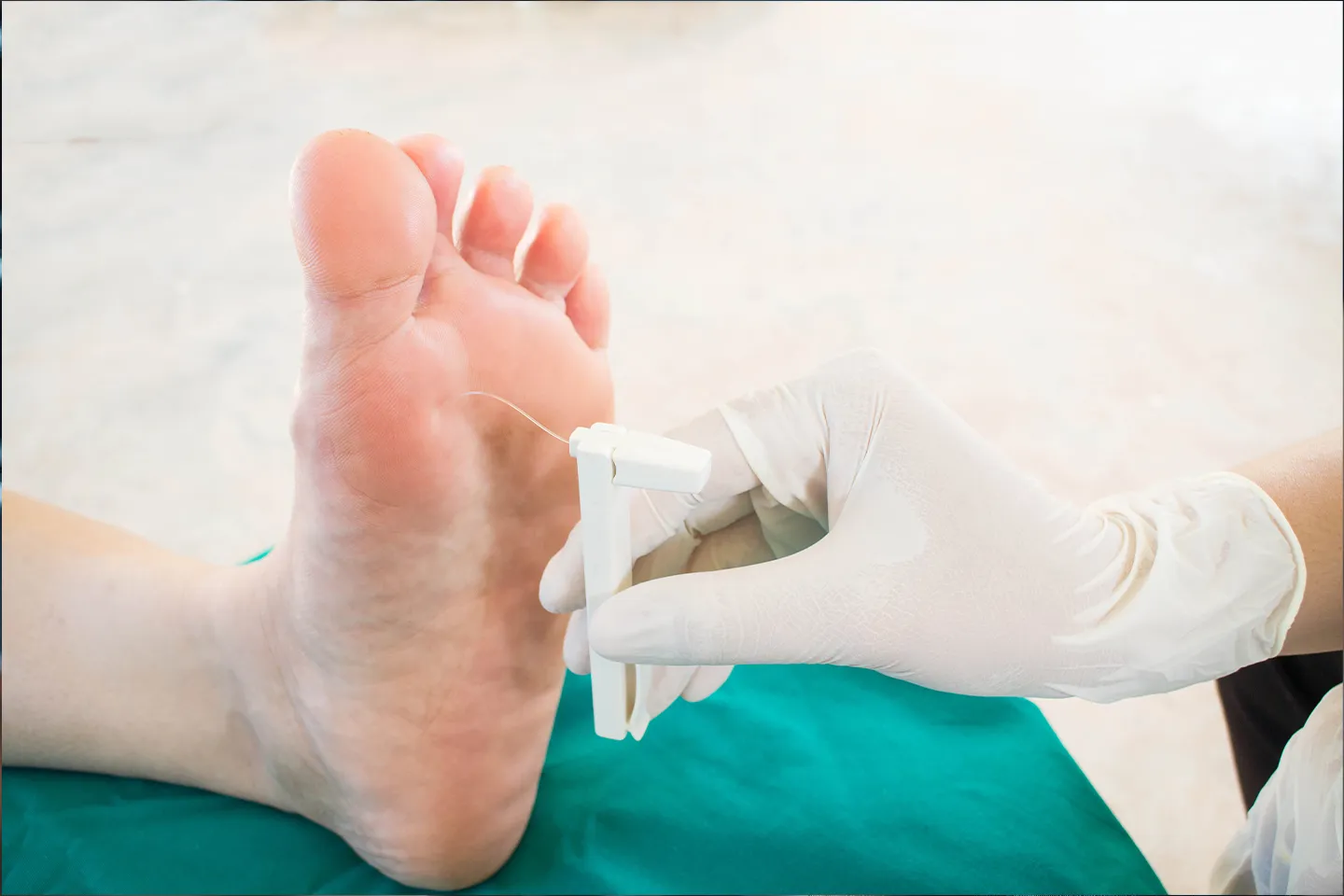
Diabetes can affect multiple organs in the body, and one of its most common complications is nerve damage, known as diabetic neuropathy. This condition can significantly impact quality of life if not managed properly. In this blog, Dr. Ravindra Pannalal Chhajed from Harsh Hospital explains the symptoms, causes, and effective care strategies for diabetic neuropathy.
What Is Diabetic Neuropathy
Diabetic neuropathy refers to nerve damage caused by prolonged high blood sugar levels. It most commonly affects the nerves in the legs and feet but can also involve other parts of the body.
According to Dr. Ravindra Pannalal Chhajed, early detection and proper diabetes management are key to slowing the progression of nerve damage.
Types Of Diabetic Neuropathy
There are several types of diabetic neuropathy, depending on the nerves affected.
Peripheral Neuropathy
The most common type, affecting the feet and legs first, followed by the hands.
Symptoms:
- Numbness or reduced ability to feel pain
- Tingling or burning sensation
- Sharp or stabbing pain
- Muscle weakness
Autonomic Neuropathy
Affects nerves that control internal organs.
Symptoms:
- Digestive issues
- Bladder problems
- Changes in heart rate
- Difficulty regulating blood pressure
- Proximal Neuropathy
Affects the thighs, hips, or buttocks, often causing severe pain and weakness.
Focal Neuropathy
Involves damage to a specific nerve, leading to sudden weakness or pain in one area.
Causes Of Diabetic Neuropathy
The primary cause is prolonged high blood sugar levels, but other contributing factors include:
- Poor diabetes control
- Long duration of diabetes
- High blood pressure
- High cholesterol
- Smoking
Dr. Ravindra Pannalal Chhajed emphasizes that maintaining stable blood sugar levels is crucial in preventing nerve damage.
Symptoms To Watch For
Symptoms may develop gradually and can vary in severity.
Common Symptoms Include:
- Numbness or tingling in hands and feet
- Burning or sharp pain
- Increased sensitivity to touch
- Loss of balance and coordination
- Muscle weakness
In advanced cases, patients may not feel injuries, increasing the risk of infections and complications.
Why Early Detection Matters
Ignoring early symptoms can lead to serious complications such as:
- Foot ulcers
- Infections
- Risk of amputation
At Harsh Hospital, Dr. Ravindra Pannalal Chhajed focuses on early diagnosis to prevent long-term damage.
Diagnosis Of Diabetic Neuropathy
Diagnosis involves a combination of clinical evaluation and tests.
Common Methods:
- Physical examination
- Nerve function tests
- Blood sugar level assessment
- Sensory testing
Dr. Ravindra Pannalal Chhajed uses a comprehensive approach to assess nerve health and identify complications early.
Treatment And Care
While diabetic neuropathy cannot always be reversed, proper care can help manage symptoms and prevent progression.
Blood Sugar Control
The most important step in managing diabetic neuropathy is maintaining optimal blood glucose levels.
Medications
- Pain relievers
- Antidepressants or anticonvulsants for nerve pain
- Medications to manage associated conditions
Lifestyle Modifications
- Healthy diet
- Regular physical activity
- Avoid smoking and alcohol
- Weight management
Foot Care
Foot care is essential to prevent complications.
- Inspect feet daily for cuts or injuries
- Keep feet clean and dry
- Wear comfortable footwear
Dr. Ravindra Pannalal Chhajed strongly advises routine foot examinations, especially for long-term diabetic patients.
When To Seek Medical Help
Consult a doctor if you experience:
- Persistent numbness or tingling
- Burning or sharp pain
- Loss of sensation in feet
- Non-healing wounds
- Balance issues
Early consultation at Harsh Hospital can help prevent serious complications.
Preventing Diabetic Neuropathy
Prevention focuses on controlling diabetes and maintaining overall health.
- Monitor blood sugar regularly
- Follow prescribed medications
- Maintain a healthy lifestyle
- Attend regular medical check-ups
Living With Diabetic Neuropathy
Managing diabetic neuropathy requires a long-term approach. With proper care, patients can lead active and healthy lives.
Dr. Ravindra Pannalal Chhajed emphasizes patient education, regular monitoring, and personalized treatment plans for better outcomes.
FAQs
Q: Can diabetic neuropathy be cured?
A: It cannot always be cured, but symptoms can be managed effectively with proper care.
Q: What is the first sign of diabetic neuropathy?
A: Tingling or numbness in the feet is often the earliest symptom.
Q: How can I prevent diabetic neuropathy?
A: Maintaining good blood sugar control is the most important preventive step.
Q: Is diabetic neuropathy painful?
A: Yes, it can cause burning, sharp, or stabbing pain in affected areas.
Q: When should I see a doctor?
A: If you notice persistent numbness, pain, or foot injuries, seek medical attention promptly.
Conclusion
Diabetic neuropathy is a common but serious complication of diabetes. Recognizing symptoms early and taking proactive steps can help prevent progression and improve quality of life.
With expert care from Dr. Ravindra Pannalal Chhajed at Harsh Hospital, patients can effectively manage symptoms and reduce the risk of complications. If you notice any warning signs, do not delay seeking medical advice.


Hours
24*7 Open Hospital
Dr. Ravindra P Chhajed
12:00 to 3:00 PM
06:00 to 09:00 PM
Dr. Lalit Banswal timings
10:00 AM to 12:00 PM
05:00 to 07:00 PM
(Tuesday off)
We treat, God heals
Committed to Excellence, Committed to You.


OVERVIEW
SPECIALITIES
SUPPORT
© 2025 Harsh Hospital. All rights reserved | Website Design by Remedo