Importance of Regular Cancer Screening – Early Detection Saves Lives
Nov 14, 2025
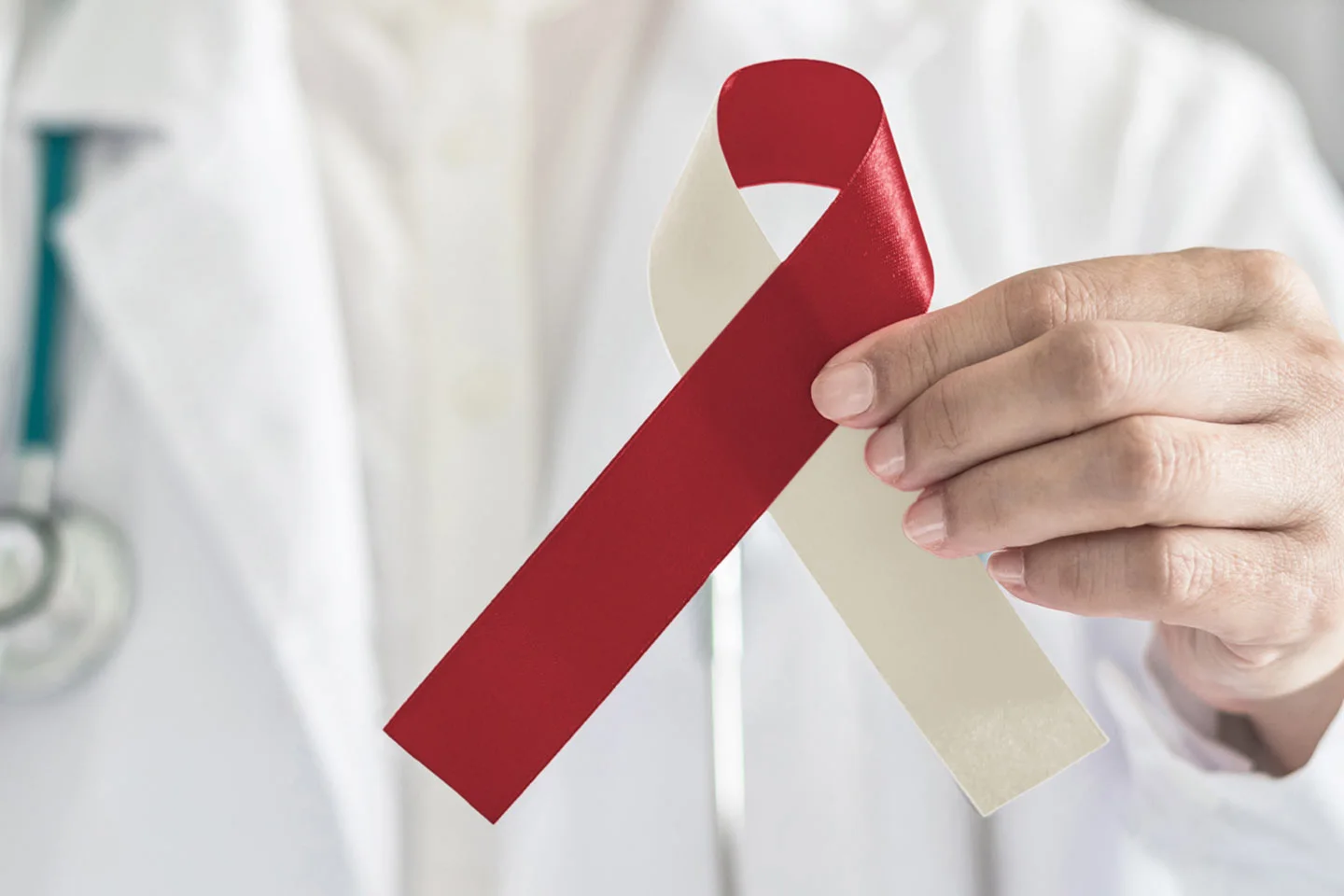
Cancer is a major health concern worldwide, and its impact is often magnified when diagnosed at advanced stages. Early detection through regular cancer screening can dramatically improve treatment outcomes, reduce complications, and save lives. Screening helps identify cancer or precancerous conditions before symptoms appear, giving patients a significant advantage in managing the disease effectively.
Dr. Ravindra Pannalal Chhajed, Consultant Physician & Diabetologist at Harsh Hospital, emphasizes that timely screening is a proactive approach to maintaining health and preventing cancer-related complications.
Why Cancer Screening Matters
Cancer often develops silently, with symptoms appearing only in later stages. By the time warning signs like pain, fatigue, or unexplained weight loss show up, the disease may have progressed significantly. Screening tests allow doctors to detect abnormalities early, when treatment is most effective.
Key benefits of regular cancer screening include:
- Early Detection: Identifies cancer before it spreads, increasing survival rates.
- Better Treatment Options: Early-stage cancers often require less aggressive treatments.
- Preventive Care: Some screenings detect precancerous changes that can be treated to prevent cancer from developing.
- Peace of Mind: Regular checkups help reduce anxiety by ensuring that any health changes are monitored and addressed promptly.
Common Cancer Screening Tests
Several screening tests are recommended depending on age, gender, family history, and risk factors. Some widely recognized screenings include:
- Breast Cancer: Mammograms for women aged 40 and above, or earlier if risk factors exist.
- Cervical Cancer: Pap smear and HPV testing for women aged 21 to 65.
- Colorectal Cancer: Colonoscopy, fecal occult blood tests, or stool DNA tests starting at age 45 or earlier if high risk.
- Prostate Cancer: PSA blood tests for men, generally starting at age 50 or earlier with risk factors.
- Lung Cancer: Low-dose CT scans for high-risk individuals such as long-term smokers.
- Skin Cancer: Full-body skin checks for suspicious moles or lesions.
- Diabetes-Related Screening: Regular checkups for diabetics help monitor risk factors that may increase susceptibility to certain cancers.
Dr. Chhajed emphasizes that personalized screening schedules are important because individual risk factors like family history, lifestyle, and underlying medical conditions influence the type and frequency of screening.
Who Should Get Screened?
- Individuals over 40 or 45 years old for general screenings.
- People with a family history of cancer.
- Those with chronic health conditions, such as diabetes or obesity.
- Individuals exposed to environmental risks like smoking, radiation, or occupational hazards.
- Anyone experiencing persistent or unexplained health changes, even if young.
FAQs On Cancer Screening
1. How often should I get screened for cancer?
It depends on age, gender, and risk factors. A healthcare professional can create a personalized screening plan.
2. Are cancer screening tests painful or risky?
Most screening tests are minimally invasive. While some procedures like colonoscopy may cause temporary discomfort, the benefits outweigh the risks.
3. Can screening prevent cancer?
Screening may not prevent cancer directly, but it can detect precancerous changes, allowing for early intervention and prevention of progression.
4. What if my screening test is normal?
Normal results are reassuring but do not eliminate future risk. Regular follow-ups and continued healthy lifestyle choices remain important.
5. Is screening only necessary if I have symptoms?
No. Many cancers are asymptomatic in early stages. Screening is designed to catch these silent cases before they become serious.
6. How can diabetics benefit from cancer screening?
People with diabetes may have increased susceptibility to certain cancers, and regular screening ensures early detection and timely treatment.
Early Detection Saves Lives
Regular cancer screening empowers patients to take control of their health. When cancer is identified early, treatment is often simpler, less invasive, and more successful. Screening also helps detect other health issues that may be related or contribute to cancer risk, such as diabetes, hypertension, or lifestyle-related conditions.
Dr. Ravindra Pannalal Chhajed stresses that preventive care and routine checkups are key components of long-term health management.
Expert Guidance From Dr. Ravindra Chhajed
Screening is not just about detecting disease; it is a proactive approach to living a healthier, longer life. Dr. Ravindra Pannalal Chhajed, Consultant Physician & Diabetologist at Harsh Hospital, provides expert guidance on which screenings are appropriate, when they should be done, and how to interpret results.
Schedule a Consultation With Dr. Ravindra Pannalal Chhajed Today
Early detection saves lives. Take the first step toward protecting your health by booking a consultation. Personalized advice, timely screenings, and ongoing care ensure you stay one step ahead of cancer.


Hours
24*7 Open Hospital
Dr. Ravindra P Chhajed
12:00 to 3:00 PM
06:00 to 09:00 PM
Dr. Lalit Banswal timings
10:00 AM to 12:00 PM
05:00 to 07:00 PM
(Tuesday off)
We treat, God heals
Committed to Excellence, Committed to You.


OVERVIEW
SPECIALITIES
SUPPORT
© 2025 Harsh Hospital. All rights reserved | Website Design by Remedo