
When Does A Breast Lump Need Further Evaluation?
Sep 16, 2026
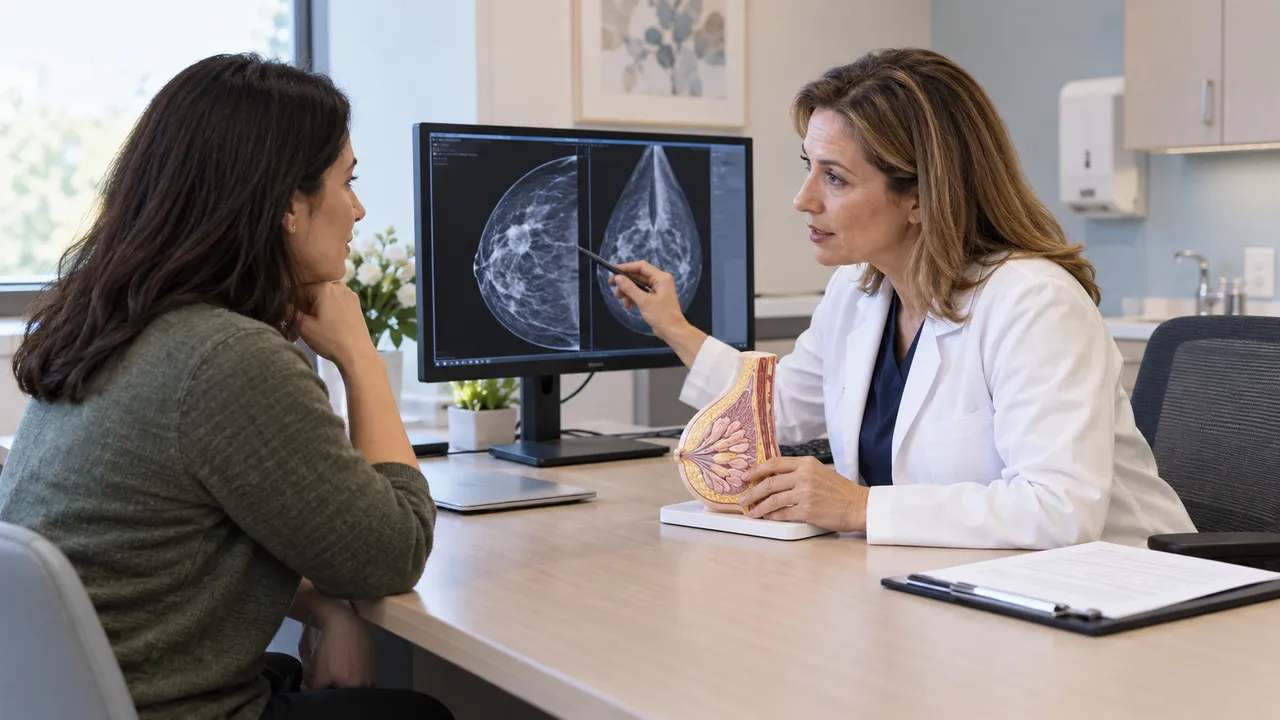
Finding a lump in your breast can be unsettling, especially when your mind immediately starts wondering whether it could be cancer. The good news is that many breast lumps are not cancerous. Cysts, fibroadenomas, hormonal changes, infections, and other benign conditions can all cause changes in breast tissue.
However, every new or unusual breast lump deserves attention. The important question is not simply whether a lump is present, but whether it has features that warrant further evaluation.
Understanding when to see a doctor can help you avoid unnecessary worry while ensuring that potentially important changes are not overlooked.
Are All Breast Lumps A Sign Of Cancer?
No. Breast lumps can develop for many different reasons, and most are not cancerous.
Some common benign causes include:
- Breast cysts: Fluid filled sacs that may feel smooth or tender.
- Fibroadenomas: Common benign breast tumors that are often firm and movable.
- Hormonal changes: Breast tissue can become swollen, tender, or lumpy around the menstrual cycle.
- Infections: Mastitis or an abscess can cause a painful lump, redness, and warmth.
- Fat necrosis: Damaged fatty tissue can sometimes form a firm lump after an injury or surgery.
Even when a lump seems harmless, a healthcare professional may recommend an examination or imaging to determine its cause.
When Should A Breast Lump Be Evaluated?
A new breast lump should generally be discussed with a doctor, particularly if it does not disappear after your menstrual period or continues to change.
Further evaluation may be particularly important when a lump:
- Feels hard or unusually firm
- Has an irregular shape
- Seems fixed to surrounding tissue
- Continues to grow
- Persists over time
- Is associated with changes in the skin or nipple
- Appears together with enlarged lymph nodes in the armpit
These characteristics do not automatically mean that a lump is cancerous. They simply indicate that further assessment may be appropriate.
What Other Breast Changes Should You Watch For?
A lump is not the only breast change that deserves attention. Contact your doctor if you notice a new or persistent change such as:
- Skin dimpling or puckering
- A change in breast size or shape
- Nipple inversion that is new for you
- Unusual nipple discharge, particularly bloody discharge
- Redness, thickening, or swelling of the breast skin
- A persistent change in breast texture
- A lump or swelling in the underarm
Some of these changes can occur with benign conditions as well, but they should be evaluated rather than ignored.
Does Breast Pain Mean A Lump Is Dangerous?
Not necessarily. Breast pain is commonly associated with hormonal fluctuations, cysts, inflammation, injuries, medications, and other noncancerous conditions.
Some breast cancers can cause pain, but pain alone does not usually indicate cancer. If you notice a new lump together with persistent or unusual pain, however, it is sensible to have the area examined.
How Is A Breast Lump Evaluated?
Your doctor will usually begin with a detailed medical history and clinical breast examination. They may ask when you first noticed the lump, whether it has changed, whether it is painful, and whether you have noticed any other breast symptoms.
Depending on your age, symptoms, and examination findings, imaging may be recommended. This can include:
Ultrasound
Breast ultrasound uses sound waves to create images of breast tissue. It can help determine whether a lump is fluid filled, solid, or has other characteristics that require further assessment.
Mammogram
A mammogram uses low dose X rays to create detailed images of the breast. It may be recommended depending on your age, screening schedule, and the nature of the breast change.
MRI
Breast MRI may be recommended in selected situations, particularly for certain high risk patients or when additional imaging is needed.
Biopsy
If imaging or examination shows an area that needs closer evaluation, a biopsy may be recommended. During a biopsy, a small sample of tissue is removed and examined under a microscope.
A biopsy is the definitive way to determine whether suspicious breast tissue is cancerous.
What If The Lump Appears Before Your Period?
Hormonal changes can make breast tissue feel lumpier or more tender during certain parts of the menstrual cycle. Some benign lumps may also become more noticeable before menstruation and less prominent afterward.
Even so, a lump that is new, persistent, or different from your usual breast changes should be discussed with a healthcare professional rather than being automatically attributed to hormones.
Should You Wait To See If A Lump Goes Away?
It depends on the circumstances. Some breast changes may naturally fluctuate with hormonal cycles, but there is no reliable way to determine the cause based on touch alone.
If you discover a new lump, especially one that persists or is accompanied by other concerning changes, arranging a clinical evaluation is the safer approach. Early assessment can help identify benign conditions and, when necessary, allow important problems to be investigated promptly.
What Should You Do If You Find A Breast Lump?
Try not to panic. Instead, make a note of when you noticed the lump and whether it changes during your menstrual cycle. Avoid repeatedly pressing or checking the area, as this can make the breast tender and increase anxiety.
Schedule an appointment with your healthcare professional for an appropriate examination. If further testing is recommended, completing the evaluation can provide clarity about what is causing the breast change.
Do Not Ignore A New Breast Change
Discovering a breast lump does not mean that you have breast cancer. Many lumps have benign explanations. However, because it is not possible to determine the cause of a lump through self examination alone, new or persistent changes deserve professional evaluation.
If you have noticed a breast lump or another unusual breast change, Harsh Hospital can provide appropriate clinical assessment and guide you toward the next steps when further testing is needed.
Frequently Asked Questions
Q: Does every breast lump require a biopsy?
A: No. Many breast lumps can be identified as likely benign through a clinical examination and appropriate imaging. A biopsy may be recommended when examination or imaging findings require tissue evaluation.
Q: What does a cancerous breast lump usually feel like?
A: A breast cancer lump may feel hard, irregular, or fixed, but there is no single texture that reliably identifies cancer. Benign lumps can also feel firm. The nature of a lump cannot be determined accurately by touch alone.
Q: Can a painful breast lump be cancer?
A: Breast pain and tenderness are more commonly associated with benign conditions, but pain does not completely rule out cancer. A new or persistent lump should still be evaluated, particularly when other breast changes are present.
Q: Can breast cysts feel like solid lumps?
A: Yes. Breast cysts can feel smooth, firm, or tender depending on their size and location. Ultrasound can often help determine whether a lump is fluid filled or solid.
Q: When should I see a doctor about a breast lump?
A: You should arrange an evaluation for a new or persistent breast lump, particularly if it grows, feels unusually hard or fixed, or occurs with nipple discharge, skin dimpling, nipple changes, swelling, or an underarm lump.


Hours
24*7 Open Hospital
Dr. Ravindra P Chhajed
12:00 to 3:00 PM
06:00 to 09:00 PM
Dr. Lalit Banswal timings
10:00 AM to 12:00 PM
05:00 to 07:00 PM
(Tuesday off)
We treat, God heals
Committed to Excellence, Committed to You.


OVERVIEW
SPECIALITIES
SUPPORT
© 2025 Harsh Hospital. All rights reserved | Website Design by Remedo