
Breast Lumps – When To Worry And When Not To
Jan 27, 2026
Introduction
Finding a breast lump can be alarming and often leads to anxiety. Many women immediately fear breast cancer, but it is important to understand that not all breast lumps are dangerous or cancerous. A large number of breast lumps are benign and may be related to hormonal changes, infections, cysts, or non-cancerous growths.
According to Dr. Ravindra Pannalal Chhajed, understanding the nature and characteristics of breast lumps helps women seek timely medical care without unnecessary fear. Early evaluation plays a crucial role in providing reassurance or initiating early treatment when required.
Common Causes Of Breast Lumps
Breast lumps can develop due to a variety of conditions, both benign and malignant. Common causes include:
- Fibroadenomas, which are common benign tumors seen in younger women
- Breast cysts filled with fluid
- Hormonal changes related to the menstrual cycle
- Breast infections or abscesses
- Fat necrosis following trauma or surgery
- Benign breast disease such as fibrocystic changes
- Most benign breast lumps are smooth, well defined, movable, and painless.
When Breast Lumps Are Usually Not A Cause For Concern
Breast lumps are often harmless if they have the following features:
- Soft or rubbery consistency
- Easily movable under the skin
- Change in size with the menstrual cycle
- Painless or mildly tender
- Occur in younger women
Dr. Ravindra Pannalal Chhajed explains that many hormone-related breast lumps may reduce in size or resolve on their own, sometimes requiring only observation or simple medical treatment.
Warning Signs That Need Medical Attention
Certain characteristics of breast lumps require prompt medical evaluation. These include:
- Hard or firm lumps with irregular borders
- A lump that is fixed and does not move
- Sudden or progressive increase in size
- A persistent lump that does not go away
- Skin changes such as dimpling, redness, thickening, or ulceration
- Nipple retraction or discharge, especially if blood stained
- Breast pain associated with swelling and fever
Any of these signs should be assessed by a specialist without delay.
How Breast Lumps Are Evaluated
Evaluation of a breast lump usually follows a triple assessment approach, which includes:
- Clinical breast examination
- Imaging such as ultrasound or mammography
- Biopsy or needle sampling when required
Dr. Ravindra Pannalal Chhajed emphasizes that this systematic approach ensures accurate diagnosis and helps avoid unnecessary anxiety or surgical procedures.
Breast Lumps And Cancer Risk
While breast cancer is a serious concern, most breast lumps are not cancerous. However, early detection of breast cancer significantly improves treatment outcomes and survival rates.
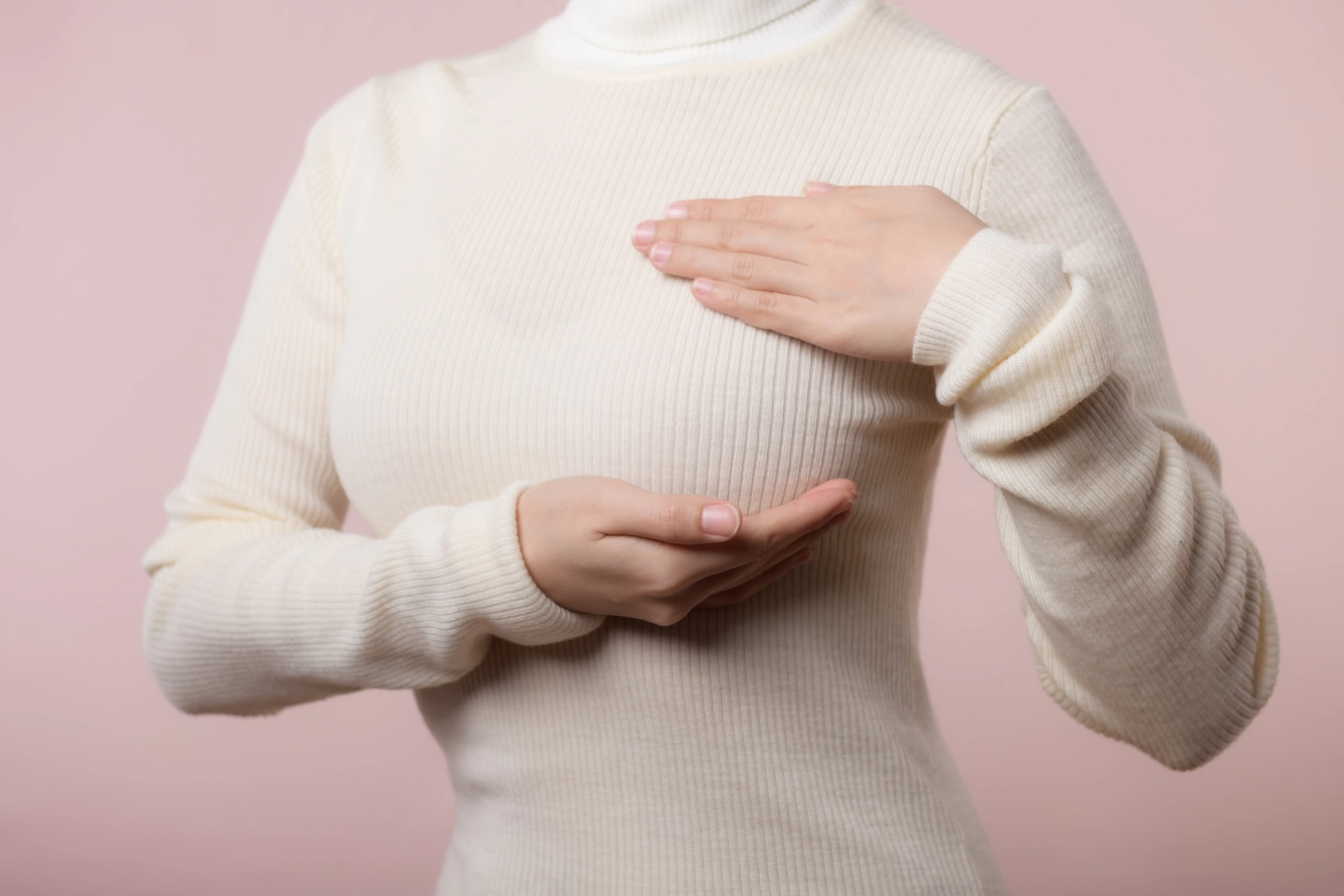
Women above the age of 40, those with a family history of breast cancer, or individuals with previous breast disease should be particularly vigilant. Regular breast self-examination and appropriate screening tests play an important role in early detection.
When Should You See A Doctor?
You should consult Dr. Ravindra Pannalal Chhajed if you notice:
- Any new breast lump
- Changes in the size, shape, or texture of an existing lump
- Nipple discharge or visible skin changes
- Persistent breast pain
- Lumps in the armpit
Early consultation ensures peace of mind and timely treatment when needed.
Frequently Asked Questions
Are breast lumps always painful?
No. Many cancerous breast lumps are painless, which is why medical evaluation is important.
Do breast lumps always mean cancer?
No. Most breast lumps are benign.
Should young women worry about breast lumps?
Breast cancer is rare in younger women, but any new lump should be examined.
Can breast lumps go away on their own?
Some hormone-related lumps may resolve naturally, but persistent lumps require evaluation.
Conclusion
Breast lumps are common and often benign, but knowing when to worry is essential. Awareness, timely medical evaluation, and proper diagnosis help ensure the best outcomes.
Dr. Ravindra Pannalal Chhajed emphasizes that breast lumps should never be ignored, even though not every lump is a cause for panic.
If you have noticed a breast lump or any changes in your breast, consult Dr. Ravindra Pannalal Chhajed at Harsh Hospital for a thorough evaluation and expert guidance. Early assessment provides reassurance and ensures timely care when required.


Hours
24*7 Open Hospital
Dr. Ravindra P Chhajed
12:00 to 3:00 PM
06:00 to 09:00 PM
Dr. Lalit Banswal timings
10:00 AM to 12:00 PM
05:00 to 07:00 PM
(Tuesday off)
We treat, God heals
Committed to Excellence, Committed to You.


OVERVIEW
SPECIALITIES
SUPPORT
© 2025 Harsh Hospital. All rights reserved | Website Design by Remedo